
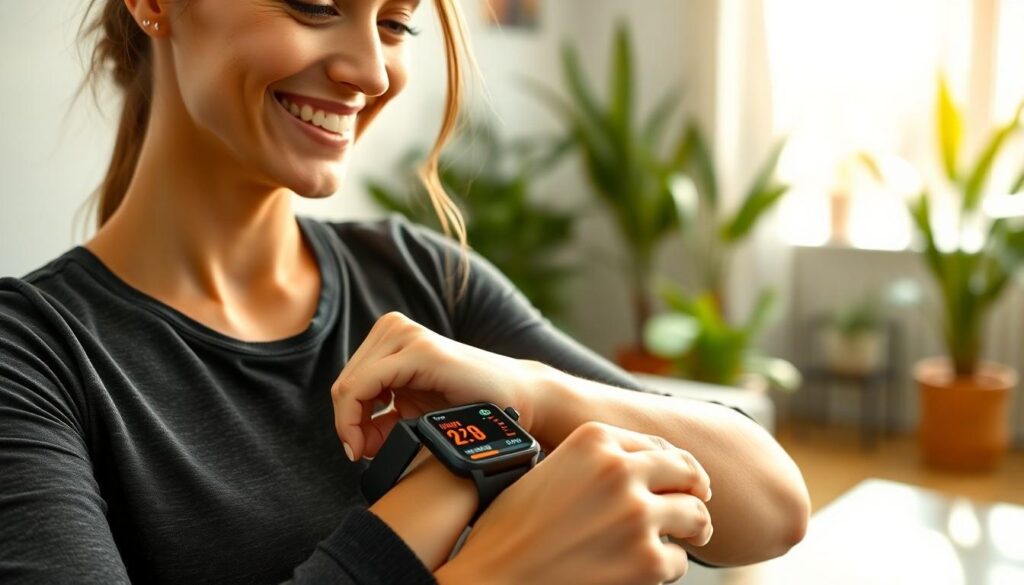
In a world where everyone’s obsessed with tracking their steps and calories, why not take it a step further? Enter wearable ECG monitors—the superheroes of heart health. These nifty gadgets don’t just tell you how many calories you’ve burned while binge-watching your favorite show; they keep tabs on your heart’s rhythm, too. Who knew your heart could be so chatty?
Imagine strapping on a device that transforms you into a health detective, uncovering the mysteries of your ticker with just a glance at your smartphone. Whether you’re a fitness fanatic or someone who just wants peace of mind, wearable ECG monitors offer a blend of convenience and cutting-edge technology. With these devices, it’s not just about living longer; it’s about living smarter. So, let’s dive into the fascinating world of wearable ECG monitors and discover how they’re changing the game for heart health.
Overview of Wearable ECG Monitors
Wearable ECG monitors represent a significant advancement in personal health technology. These devices excel in tracking heart rhythm, capturing data critical for detecting potential health issues. Users place them conveniently on their wrists, chests, or other body parts, allowing for continuous monitoring throughout daily activities.
Real-time data syncing with smartphones enables users to access their heart rhythm information almost instantly. These gadgets provide insights into conditions such as atrial fibrillation, a major contributor to stroke. Many users appreciate receiving alerts in case of irregularities, which facilitates timely medical consultations.
Portable, lightweight designs enhance usability, making it easy for individuals to integrate ECG monitoring into their daily lives. Some models offer features like sleep tracking and step counting, further enriching overall health assessments. Compatibility with multiple health apps provides users with a centralized platform for managing their wellness data.
Market predictions indicate that the wearable ECG monitor market will experience substantial growth. With increasing awareness of heart health and rising chronic health conditions, adoption rates for these devices are expected to climb. Health professionals advocate for incorporating these monitors into routine health checks, emphasizing their role in proactive health management.
Advanced features appear in various models, including wireless connectivity and long battery life. These enhancements contribute to user satisfaction, as they minimize the need for frequent recharging or cumbersome connectivity setups. Data security also receives attention, ensuring that personal health information remains protected during transmission and storage.
By embracing wearable ECG monitors, individuals enhance their ability to monitor and maintain heart health effectively.
Benefits of Wearable ECG Monitors

Wearable ECG monitors offer numerous advantages that improve heart health management.
Improved Heart Health Monitoring
Innovative monitoring capabilities stand out as a primary benefit. These devices provide continuous real-time data on heart rhythms, allowing users to detect irregularities instantly. Users can receive alerts directly on their smartphones, fostering timely intervention if any issues arise. Regular tracking enables better understanding of heart health trends, making it easier to identify potential problems early. Integration with other health metrics, such as activity levels and sleep patterns, enriches overall assessments. Such comprehensive data supports more informed discussions with healthcare providers. By facilitating proactive monitoring, wearable ECG monitors significantly enhance users’ overall heart health management.
Enhanced Patient Engagement
Increased engagement with personal health emerges as another key advantage. Users interact with their heart health data more frequently, fostering a sense of ownership over their well-being. The user-friendly interfaces simplify data interpretation, encouraging individuals to stay informed about their heart rhythms. Many devices come equipped with educational resources, helping users understand the implications of their readings. Additionally, sharing data with healthcare professionals becomes seamless, improving communication and collaboration. Equipped with instant access to their information, patients feel empowered to take action regarding their health. Wearable ECG monitors transform how individuals approach their heart health, encouraging more active participation in their wellness journey.
Types of Wearable ECG Monitors
Wearable ECG monitors come in various types, each designed to meet specific user needs while enhancing heart health management.
Smartwatches with ECG Functionality
Smartwatches equipped with ECG functionality play a significant role in health tracking. Users can measure their heart rate and rhythm directly from their wrists. Many models offer additional features like fitness tracking, notifications, and health insights. Apple Watch Series 4 and later models exemplify this integration, providing users timely alerts for irregular heart rhythms. These devices blend convenience with advanced monitoring, seamlessly fitting into daily life while providing critical data.
Dedicated ECG Monitoring Devices
Dedicated ECG monitoring devices offer focused heart health analysis. Examples include the KardiaMobile and the AliveCor, designed explicitly for electrocardiogram readings. Users place these small, portable devices on their chests or fingertips for quick assessments. Most of these monitors sync data directly to smartphones, enabling immediate access to heart rhythms. Accurate and detailed readings empower users to share results with healthcare providers efficiently, enhancing proactive health management. Their specialized functionality makes them essential for those requiring consistent heart monitoring.
Considerations When Using Wearable ECG Monitors
Wearable ECG monitors offer numerous benefits, but several factors warrant consideration to ensure effective usage.
Accuracy and Reliability
Accuracy plays a critical role in wearable ECG monitors. These devices can deliver high precision in heart rhythm tracking. Users should choose monitors with proven clinical validation, as devices like the Apple Watch Series 4 and KardiaMobile have demonstrated reliability in studies. Sensor technology significantly impacts performance; thus, models that utilize advanced electrodes may yield better results. Regular calibration ensures data integrity, aiding users in maintaining optimal monitoring standards. Users benefit from comparing results with professional ECG tests, confirming device accuracy. Routine consistency in wearing the device enhances the reliability of long-term data analysis.
Data Privacy and Security
Data privacy and security remain crucial for users of wearable ECG monitors. Companies must implement robust encryption methods to safeguard personal health information. Users deserve transparency regarding data usage and sharing practices. Monitoring devices should comply with health regulations, such as HIPAA, to ensure adherence to privacy standards. Leveraging secure cloud storage supports safe data management, reducing risks of unauthorized access. Exercising caution when granting app permissions helps protect sensitive data. Users benefit from reading privacy policies to understand how their information is handled, fostering trust in the technology.
Wearable ECG monitors are revolutionizing the way individuals approach heart health. By providing real-time data and alerts, these devices empower users to take control of their wellness journeys. With their user-friendly designs and advanced features, they make heart monitoring accessible and convenient for everyone.
As awareness of heart health continues to grow, the adoption of wearable ECG monitors is likely to increase. Their potential to detect irregularities early fosters proactive health management and encourages meaningful conversations with healthcare providers. Embracing this technology not only enhances personal health but also contributes to a healthier society overall.


