
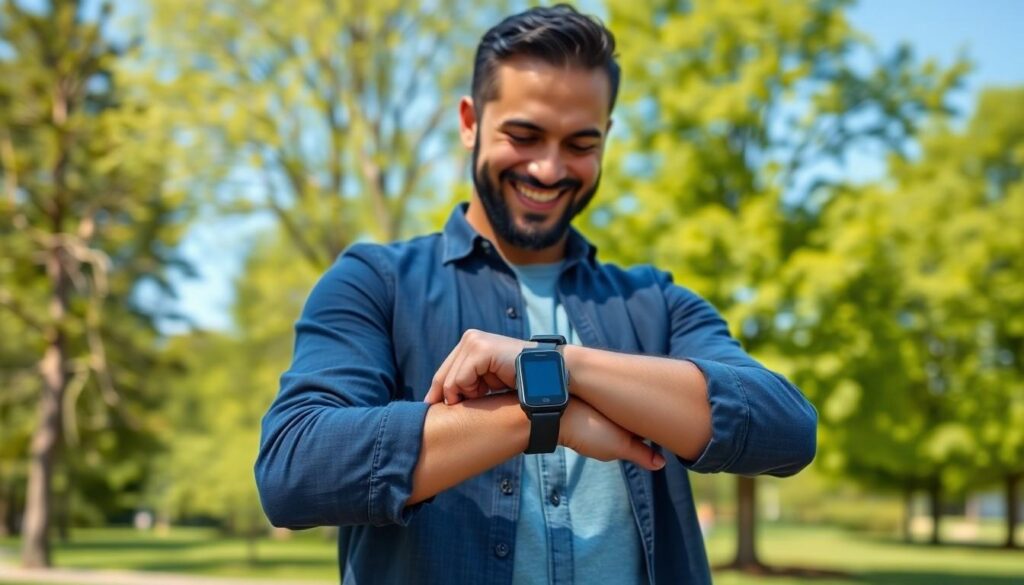
In a world where health tracking has become the new norm, blood pressure wearables are stepping into the spotlight. Imagine a device that not only tracks your heart health but also gives you the freedom to enjoy that extra slice of cake without the guilt. These clever gadgets are designed to keep tabs on your blood pressure in real-time, making it easier than ever to stay in tune with your body.
Gone are the days of bulky monitors and awkward doctor visits. With sleek designs and user-friendly interfaces, blood pressure wearables are the stylish sidekick everyone needs. They blend seamlessly into daily life, offering insights that empower users to take control of their health without sacrificing their favorite treats. So why not join the wearable revolution and see how these nifty devices can transform your health journey?
Overview of Blood Pressure Wearables
Blood pressure wearables monitor cardiovascular health conveniently. These devices provide real-time readings, allowing users to track their heart health without the need for traditional monitors. User-friendly interfaces make them accessible for various age groups. Sleek designs ensure that wearables integrate seamlessly into daily routines.
Bluetooth connectivity often enables data synchronization with smartphones and tablets. Many devices record and analyze trends over time, giving users valuable insights into their health. Health professionals recognize the importance of continuous monitoring for pre-existing conditions. Research indicates that regular tracking can lead to better management of hypertension.
Users can expect features such as notifications for irregular readings. Customizable alerts promote proactive health management. Multiple brands offer unique benefits, catering to different preferences and budgets. For instance, some models focus on accuracy while others emphasize aesthetic appeal.
Investors and developers continue to innovate the blood pressure wearable market. Advancements in technology lead to improved sensor accuracy and battery life. Integrating artificial intelligence into these devices provides personalized health recommendations. Patients are encouraged to utilize wearables during routine check-ups for comprehensive health assessments.
As awareness of hypertension increases, the demand for blood pressure wearables rises. Engaging with these devices supports not only personal health goals but also broader public health initiatives. With ongoing advancements, blood pressure wearables signify a shift toward more proactive healthcare management.
Key Features of Blood Pressure Wearables


Blood pressure wearables boast several key features that enhance user experience and effectiveness.
Accuracy and Reliability
Accuracy stands as a primary concern for users. Quality blood pressure wearables employ advanced sensors, ensuring precise measurements akin to traditional cuffs. These devices utilize algorithms that mitigate external factors, such as movement, enhancing reliability during readings. Many wearables undergo rigorous clinical testing, validating their claims. Regular calibration encouraged by manufacturers maintains this accuracy over time. Enhanced technology improvements promise further advancements in measurement precision.
User-Friendliness
User-friendliness remains crucial in promoting adoption. Intuitive interfaces offer easy navigation, allowing users to access readings quickly. Most devices feature simple connectivity options, enabling smooth synchronization with smartphones or tablets. Notifications and alerts serve to inform users about abnormal readings efficiently. Various customizable settings accommodate personal preferences, making the wearables adaptable. Ergonomic designs ensure comfort during wear, encouraging frequent use for ongoing health monitoring.
Popular Blood Pressure Wearable Models
Several popular blood pressure wearables stand out due to their features and performance. These devices cater to diverse user needs while ensuring accurate health monitoring.
Model A: Features and Performance
Model A impresses with advanced sensor technology. High accuracy underlies its ability to deliver real-time blood pressure readings. Users appreciate its user-friendly interface, making navigation straightforward. Bluetooth connectivity ensures seamless data synchronization with smartphones, enhancing usability. Customizable alerts promote proactive health management. Long battery life enables extended wear without interruptions. Additionally, real-time tracking of health trends fosters more informed lifestyle choices.
Model B: Features and Performance
Model B offers a sleek design that complements daily wear. Precision remains a key characteristic, with clinical validation enhancing trustworthiness. Ergonomic features provide comfort for all-day use, appealing to health-conscious individuals. Integration with fitness apps facilitates comprehensive health monitoring. Notifications for irregular readings keep users informed continuously. Personalization options allow customers to tailor settings to their preferences. Optional subscription services provide in-depth analysis over time, encouraging continuous engagement with personal health management.
Benefits of Using Blood Pressure Wearables
Blood pressure wearables offer numerous advantages for users seeking to monitor their cardiovascular health. Real-time readings allow individuals to track their blood pressure at any moment, promoting proactive health management. Immediate access to data empowers users to adjust their lifestyle choices based on current measurements.
Continuous monitoring proves beneficial for those with pre-existing conditions, leading to better hypertension management. Data synchronization with smartphones enables users to analyze trends and share information with healthcare professionals. Customizable alerts help individuals remain informed about irregular readings, facilitating timely interventions.
User comfort comes from ergonomic designs that encourage frequent use without discomfort. Advanced sensors enhance accuracy, ensuring reliable readings validated through clinical testing. Batteries designed for extended life minimize the need for frequent recharging, making wearables convenient for daily wear.
Integration with fitness apps enhances the user experience, allowing individuals to combine blood pressure tracking with overall health data. Personalized health recommendations, powered by artificial intelligence, provide actionable insights tailored to individual needs. Affordability options in various brands ensure accessibility for a wide range of consumers.
Incorporating blood pressure wearables into daily routines supports personal health goals while contributing to broader public health initiatives. Many users find increased awareness of hypertension encourages them to adopt healthier habits, thus improving overall well-being. The sleek designs and user-friendly interfaces make these devices appealing, merging technology and health seamlessly.
Limitations and Considerations
Wearable blood pressure devices come with several limitations that users should consider. Accuracy can vary between different models, emphasizing the need for regular calibration. Results may not always match traditional sphygmomanometers, which remain the gold standard for blood pressure measurement.
Battery life represents another critical factor. Frequent use demands a reliable battery, and while some models excel, others may require more frequent charging. Users might find themselves inconvenienced if their device runs out of power unexpectedly.
Data management also poses challenges. Collecting health information becomes valuable, but users must ensure they know how to interpret the data. Not all wearables provide in-depth analyses, and some shortcuts might overlook important health trends.
User comfort is essential but varies by device design. While many models feature ergonomic designs, some users may still experience discomfort during prolonged usage. It’s important for potential buyers to test devices before making a purchase.
Integration with other health apps offers benefits; however, compatibility issues may arise. Users should verify that their wearables sync seamlessly with existing fitness applications to maximize usability.
Privacy concerns cannot be overlooked. Data collected by these devices involves sensitive health information, so understanding how the manufacturer protects this data is crucial. Users should only select devices from reputable brands that emphasize data security.
Finally, regular consultations with healthcare professionals enhance valuable monitoring. Relying solely on wearables may lead to complacency regarding proactive health management. Incorporating professional advice ensures users get comprehensive assessments of their heart health.


